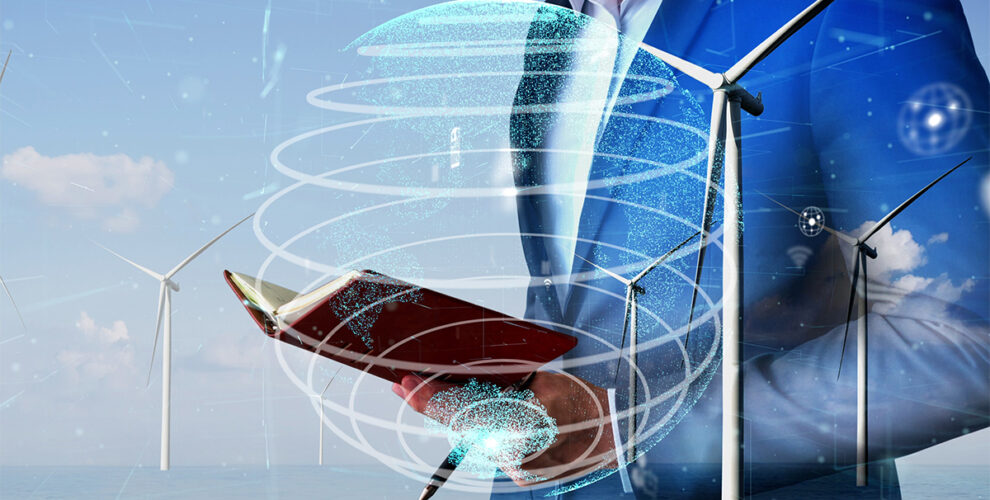
Introduction
Electrical and energy engineering is one of the fundamental pillars of industrial and economic development in any country. With population growth, industrial expansion, and climate change, the need for higher efficiency, reduced energy consumption, and the use of sustainable resources has become increasingly critical. Innovation in this field not only enhances the performance of energy systems but also plays a key role in achieving sustainable development goals and reducing environmental impacts.
This article examines major innovations in electrical and energy engineering and introduces scientific solutions to increase efficiency, reduce energy consumption, and promote new energy sources.
1.1 Internet of Things (IoT) and Smart Grids
The use of IoT and smart grids has revolutionized energy management. Sensors and network-connected devices collect real-time energy consumption data, enabling precise analysis of usage patterns. This technology allows electricity companies to:
Reduce energy losses
Optimize operational costs
Intelligently manage network load
1.2 Artificial Intelligence and Machine Learning
Artificial intelligence (AI) and machine learning algorithms play a critical role in predicting energy consumption and optimizing networks. By analyzing historical and real-time data, these systems can:
Propose optimal energy production and distribution plans
Prevent unexpected outages
Optimize energy use in buildings and industrial facilities
2.1 Solar Energy
Next-generation high-efficiency solar panels, especially multi-layer solar cell technologies, have significantly increased energy production efficiency. Combining solar panels with energy storage systems and advanced batteries enables sustainable use of solar energy during nights and cloudy days.
2.2 Wind Energy
Advanced wind turbines, made with lightweight and durable materials, can generate more energy even in limited spaces. Innovations in energy storage and integrating turbines with smart grids have further increased wind energy efficiency.
2.3 Hydrogen Energy
Hydrogen, as a clean and sustainable fuel, has a prominent role in the future energy landscape. Producing hydrogen from renewable sources and utilizing fuel cells allows electricity generation without carbon emissions.
3.1 Batteries and Energy Storage Systems
Lithium-ion batteries, flow batteries, and other modern technologies offer high-capacity energy storage with long lifecycles. These systems are especially crucial for renewable networks, where energy production is intermittent.
3.2 Smart Grid Management
Energy management systems (EMS), using real-time data and AI predictions, optimize energy consumption and production. These systems can:
Store surplus electricity or return it to the grid
Reduce peak load demands
Increase network efficiency and economic productivity
4.1 Intelligent and Self-Regulating Equipment
Smart switches, transformers, and protective devices enable rapid responses to load changes and network issues. These systems analyze data and make automated decisions to optimize grid performance.
4.2 Advanced Materials and Technologies
The use of superconductors, new semiconductors, and nanomaterials reduces energy losses and improves electrical equipment efficiency. These innovations are widely applied in turbines, generators, and power transmission cables.
5.1 Technical Challenges
Key challenges include the complexity of smart grids, high costs of advanced equipment, and the need for specialized workforce training.
5.2 Solutions
Investment in research and development (R&D)
Expanding industrial and academic collaborations
Continuous training of engineers and technicians
Standardization of equipment and processes
Innovation in electrical and energy engineering not only increases efficiency and reduces costs but also directly impacts the environment. Reducing greenhouse gas emissions, using renewable energy, and implementing intelligent consumption management are among the positive outcomes of innovation in this field.
Moreover, innovation strengthens the energy economy, creates new job opportunities in advanced industries, and enables countries to remain competitive in the global energy market.
Conclusion
In the 21st century, electrical and energy engineering is no longer limited to energy production and distribution. Technological innovations—from AI and smart grids to renewable energy and energy storage systems—have paved the way toward a sustainable, intelligent, and efficient energy system.
For companies in the electricity and energy sector, such as Petro Niroo, investing in modern technologies and developing smart infrastructure is the key to success in a competitive and sustainable future.
By focusing on innovation, specialized training, and advanced technologies, resilient power networks, clean industries, and a sustainable energy economy can be achieved.